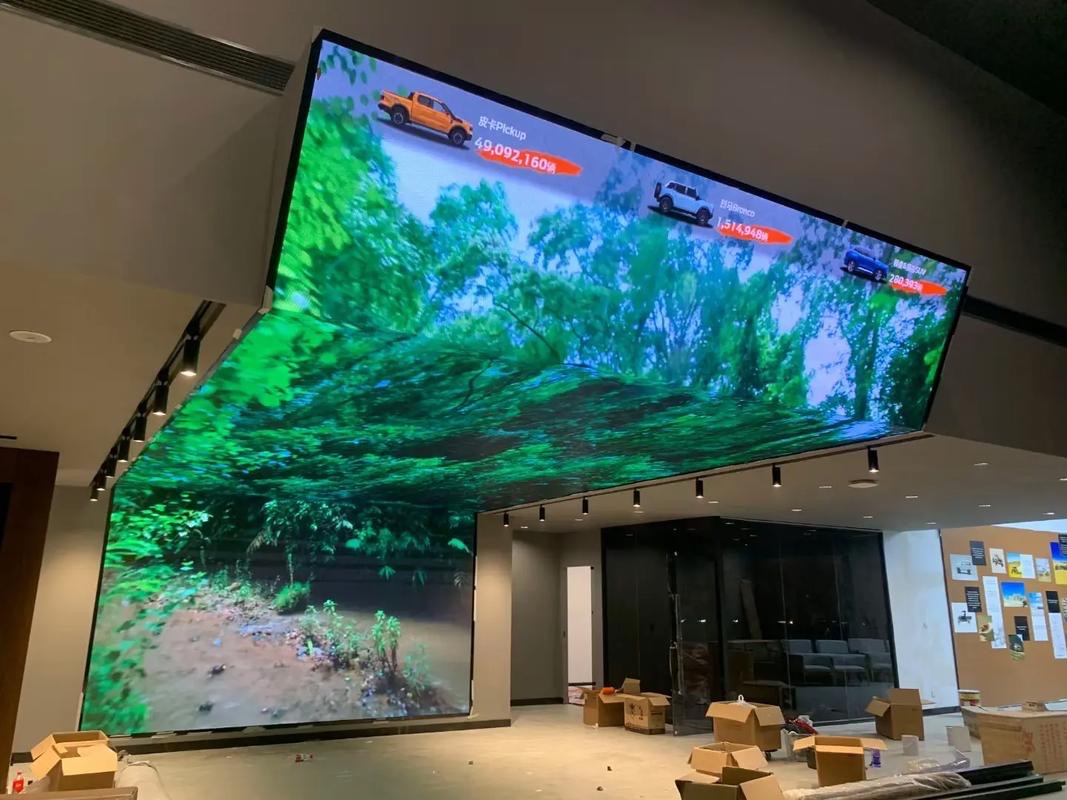
A wedding LED wall has replaced the printed backdrop as the centrepiece of the modern reception. It carries a monogram, a love story film, live camera feed, and a photo wall, all on the same surface. Drapes and printed panels cannot change during the evening, which is exactly what a wedding schedule demands.
The rental format makes this practical. Panels measuring 500 by 500 mm travel in flight cases, weigh about 6.5 kg each, and build into a feature wall in a couple of hours. That matters when a venue only grants a short load-in window between the ceremony setup and the reception.
Cost is often the first question a couple asks, and the honest answer is that a screen replaces several rented items. One wall covers the backdrop, the stage signage, the slideshow, and the live feed that used to need a separate projector and screen. Fewer hired pieces usually means a tidier budget and a simpler setup on the day.
Apart from the visuals, the wall earns its budget as a production tool. A live feed lets guests at the back of the room see the first dance, a countdown builds anticipation before the couple enters, and a hashtag wall turns guest photos into part of the decor. One screen replaces several rented items.
Photography is the constraint most couples discover too late. An LED wall photographed badly shows dark bands, colour casts, or a moire pattern across the image, and no amount of editing fully recovers it. Choosing the right refresh rate, pitch, and brightness before the event is what keeps every photo clean.
Planners value the screen for a quieter reason as well: it keeps the room's attention in one place. When guests are watching the wall, they are not crowding the cake table or standing in front of the photographer during the first dance, and that order makes the whole evening run more smoothly.
Refresh rate is the single most important number for a wedding screen, because every guest is holding a camera. A panel running below 1920 Hz produces dark horizontal bands on phone video, while a screen above 3840 Hz photographs cleanly at normal shutter speeds. Selecting a high-refresh panel removes the problem before the photographer arrives.
Brightness should be low and controllable. A ballroom is a dark, intimate space, so a wall running 800 to 1200 nits with smooth dimming looks elegant rather than glaring. Over-bright screens wash the room in blue-white light, spoil the warm ambience of candle and string lighting, and make seated guests squint.
Moire is the interference pattern that appears when a camera sensor samples the pixel grid. It is worst when the pitch is coarse relative to the shooting distance, so a fine pitch of P2.6 to P3.9 shot from four to ten metres stays clean. Photographers can also reduce it by changing distance slightly and avoiding extreme zoom.
Colour temperature ties the screen to the room. A wall calibrated to a warm white balances with tungsten and candlelight, while a cold blue-white screen fights every other light source in the photo. Setting a warm preset and locking it before the event keeps skin tones natural in the final images.
| Use Case | Guest Viewing Distance | Photo Shooting Distance | Suggested Pitch |
|---|---|---|---|
| Ceremony backdrop | 3 - 10 m | 4 - 10 m | P2.6 - P3.9 |
| Reception dance floor | 5 - 20 m | 5 - 15 m | P3.9 - P4.8 |
| Live feed screen | 8 - 25 m | 8 - 25 m | P4.8 - P6.6 |
| Entrance welcome wall | 1 - 4 m | 2 - 5 m | P1.9 - P2.6 |
| Monogram and hashtag strip | 2 - 8 m | 3 - 8 m | P3.9 - P6.6 |
The strongest wedding content is personal and short. A three-minute love story film, a monogram animation for the entrance, a slow-motion first-dance reel, and a live feed of the ceremony cover most of the evening. Each piece should be brief enough to hold attention across a room of seated guests.
Interactive content keeps the wall alive between formal moments. A hashtag wall that pulls guest photos, a live poll, or a photo mosaic that builds during the reception gives people a reason to look at the screen rather than only at their phones. These features also generate the candid images the couple treasures most.
Timing is everything, and the screen should follow the run sheet. Monogram during arrivals, love story before the entrance, live feed through the speeches, and a countdown before the couple returns. Handing the operator a timed playlist removes any need for a cue during emotional moments.
Leave room for late changes. Couples almost always want one last edit, whether it is a name spelling or an extra photo. A template-based project and an on-site operator who can push a quick update keep a small change from becoming a crisis on the day.
| Time Block | Content | Screen | Notes |
|---|---|---|---|
| Guest arrival | Monogram and welcome message | Entrance wall | Loop quietly at low brightness |
| Ceremony | Live camera feed | Main backdrop | Keep framing wide for seated guests |
| Cocktail hour | Photo slideshow and hashtag wall | Reception screen | Pull fresh guest photos live |
| Entrance and first dance | Countdown then love story film | Dance floor wall | Cue from the MC run sheet |
| Speeches | Live feed and speaker name cards | Main backdrop | Lower brightness during toasts |
Rental logistics decide whether the install runs smoothly. Panels arrive in flight cases, build onto a ground-supported frame, and come down the same night, so the crew needs clear access and a place to stage cases away from the guest route. Confirming the load-in time with the venue is the first task on the checklist.
The crew size and schedule are worth agreeing in writing. A wall of this size needs a small team for a few hours rather than a large team all day, and knowing the exact call time lets the venue plan its own staff and security accordingly. Vague timing is the most common cause of a rushed setup.
Power is usually simple for a wedding wall. A mid-size screen runs from a single standard circuit, though a dedicated distribution board avoids tripping a shared circuit when the band and the catering equipment are on the same supply. The venue electrician should confirm the available amperage in advance.
Venue rules shape the plan as much as the technology. Floor protection, load-in curfews, sound limits, and insurance requirements vary widely, and a heritage venue may restrict fixing points entirely. A free-standing frame that touches nothing but the floor solves most of these constraints.
Always build in a contingency. Two spare panels, a backup playback laptop, and a second signal cable cost little and protect the evening. The wall is the visual centre of the reception, so redundancy on the day is not an optional extra.
Finally, agree who owns the content on the night. A trained operator who understands the run sheet is worth far more than a hired laptop, because a single mistimed cue at the entrance can undo weeks of planning.
Asia Vision Technology builds the rental panels that wedding and banquet work depends on, including the X series in 500 by 500 mm format with a cabinet weight near 6.5 kg and front and rear service access. Our indoor panels run above 3840 Hz for clean photography and cover P1.9 to P6.6, so a backdrop can be matched to any room and shooting distance.
Every display carries CE, FCC, and RoHS certification, ships in 15 to 20 working days, and includes a 3-year standard warranty. We supply spare modules and a labelled panel map so an event crew can build the wall quickly and swap a cabinet in minutes if anything goes wrong on the day.
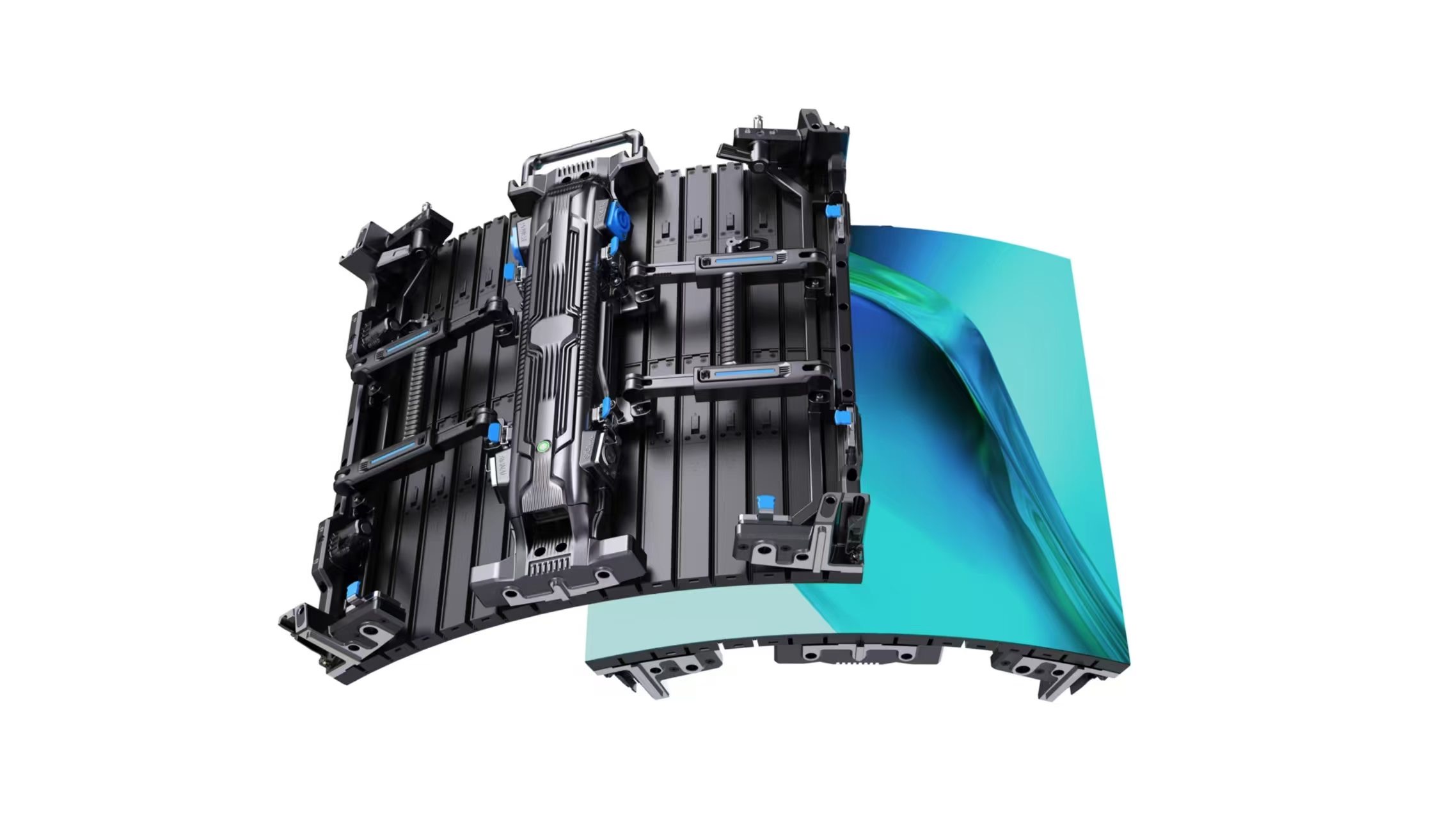
For this requirement our range covers it directly: the RH-PRO fine-pitch COB (flagship, full redundancy) and the COB CV-PRO series (Ultra-HD fine pitch).