Rental LED screens earn money only when they are on the truck and working. A dead cabinet found at load-out costs a show, a client, and a deposit, so rental maintenance is a commercial discipline rather than a housekeeping task. The cost of a broken module reaches far beyond the module itself.
Rental cabinets live harder lives than fixed installations. They are lifted, stacked, trucked over rough roads, flown in rigging, and touched by hundreds of hands every weekend. Heat cycles, vibration, and handling stress reach parts that a fixed wall never stresses. This guide explains how rental companies keep a fleet show-ready, what to inspect between jobs, and how supplier support should work when something fails mid-season.
A rental fleet raises questions that a fixed installation never asks. Cabinets are rebuilt in a different layout every week, so mechanical interfaces wear faster than electrical ones. The same cabinet may hang vertically on Friday and sit on a floor stack on Sunday. Every cycle loads the locks, the alignment pins, and the cable connectors that were never designed for that frequency of use.
The second consideration is that downtime is priced in reputation, not in parts. A rental house that cannot deliver a promised wall loses the next booking as well as the current one. Maintenance budgets should therefore be set against revenue at risk rather than against the purchase price of the fleet, which usually makes generous spare holdings look cheap.
The third consideration is people. Rental maintenance only works when the technicians who build the wall are also the ones who inspect it. Separating those roles creates a gap where faults are discovered on site rather than in the warehouse. A short pre-pack inspection checklist signed by the crew that built the wall closes that gap at almost no cost.
Climate adds another layer. A fleet based in a humid coastal city fights corrosion that a fleet in a dry inland city never sees. Cabinets stored in unventilated containers after a rain-soaked event are the single most common cause of early driver failure in rental stock, because moisture sits on powered-off boards and eats the traces between shows.
Finally, consider the ratio of cabinets to road cases and rigging hardware. Most rental companies under-invest in cases and over-invest in cabinets. A damaged case protects a cabinet; a damaged cabinet destroys a show. The case is the cheaper half of that equation and the one that is most often bought last.
| Factor | Importance | Recommendation |
|---|---|---|
| Planning | Critical | Build a pre-pack and post-event inspection routine before the first show |
| Quality | High | Buy cabinets with certified power and driver components, not lowest bid |
| Budget | Medium | Set aside a maintenance reserve against revenue at risk, not list price |
| Spares | Critical | Hold enough modules to cover the largest wall in the fleet |
| Handling | High | Train crews on case loading and lock engagement, not just assembly |
| Storage | Medium | Dry, ventilated storage with cabinets powered off and desiccated |
| Documentation | Medium | Log every fault per cabinet serial so patterns surface early |
| Warranty | High | Confirm what the supplier covers and what shipping back actually costs |
The single most valuable practice in rental maintenance is a fixed inspection sequence. Every cabinet passes the same checkpoints in the same order, and the crew marks the result on a card attached to the case. A fixed sequence removes judgement from the routine, which means a tired technician at two in the morning still catches the loose connector that a free-form inspection would miss.
Inspection should happen twice: once after the event before cabinets are cased, and once in the warehouse before the next load-out. The first pass catches damage while the cause is still known. The second pass catches anything that developed in storage, particularly corrosion and cable fatigue. Faults found in the warehouse cost a repair; the same faults found on site cost a show.
Spare holdings deserve their own policy. A practical rule is to carry enough spare modules to rebuild the largest single wall in the fleet plus a margin, because the wall that fails is almost always the one with no spare in the truck. Spare power supplies and receiving cards should be held at the same ratio as modules, since those fail at similar rates and cannot be improvised on site.
Cleaning is often done too aggressively. Rental cabinets collect dust, tape residue, and fingerprints, and crews sometimes reach for solvent. Aggressive solvents attack the mask coating and the lens surface, gradually dulling the display and destroying the very contrast the client is paying for. A soft dry cloth and, where needed, a lightly dampened cloth with a mild agent is enough for routine work.
Finally, keep a fault log per serial number. Rental companies that track faults at cabinet level discover patterns that fleet-level reporting hides. One cabinet that fails three times in a season is usually a manufacturing outlier that the supplier should replace, and the log is the evidence that makes that conversation straightforward.
Asia Vision Technology designs the X Series specifically for rental duty, with a 500 x 500 mm cabinet weighing 6.5 kg and front and rear service access. The cabinet is built to be assembled and struck repeatedly, with latching and alignment hardware chosen for cycle life rather than for a single fixed install.
Our products carry CE, FCC, and RoHS certification, which matters when a rental house serves clients across several markets and cannot risk a customs question at the border. Production orders ship in 15 to 20 working days, and the 3-year standard warranty is backed by ongoing spare part supply so a fleet stays serviceable through its working life.
For rental operators the practical advantage is predictability. We publish cabinet weights, load data, and service procedures that your crews can plan around, and we support the fleet with the modules, power supplies, and receiving cards that fail most often, so a repair does not depend on a special order from the other side of the world.
Rental cabinets are specified differently from fixed walls. Weight per square metre drives truck capacity and labour cost, so a lighter cabinet pays for itself across a season of load-outs even if it costs more up front. The X Series holds 6.5 kg per 500 x 500 mm cabinet, which keeps a modest truck carrying more square metres of screen.
Service access matters as much as weight. Front and rear maintenance means a technician can replace a module from whichever side is exposed, which on a flown wall is often the only accessible side. Cabinets that require rear access fail the practical test in most rental rigs, because the wall is frequently hung against a wall, a header, or another screen.
Refresh rate and processing should also be chosen with camera work in mind. Rental screens are filmed constantly, whether for broadcast, social media, or a client's own coverage, and a low refresh rate produces banding on camera even when the screen looks fine to the eye. A refresh rate of 3840 Hz or higher removes that risk for indoor rental work.
The table below compares the main Asia Vision lines against the applications each one serves.
| Product | Application | Key Feature |
|---|---|---|
| Asia Vision X Series | Events and rental | 500 x 500 mm cabinet, 6.5 kg, front and rear service |
| Asia Vision CV-PRO COB | Corporate and premium indoor | 10000:1 contrast, seamless surface |
| Asia Vision D-PRO | Outdoor and touring | IP65 rated, 8000+ nits brightness |
| Asia Vision COB indoor | Broadcast and studio | 3840 Hz refresh, no on-camera banding |
| Asia Vision D-PRO P6 | Outdoor festival stage | Designed for high ambient light |
Rental companies importing their own fleet face the same logistics questions as any capital purchase, with one additional constraint: the fleet must arrive in time for a booked season, so schedules cannot slip. Sea freight is the default for volume, with air freight reserved for urgent top-ups or a single critical cabinet type.
Consolidating a fleet order into one shipment reduces unit freight cost and simplifies customs clearance, because a single entry covers the whole consignment. Splitting an order across several shipments to spread cash flow usually costs more in freight and brokerage than it saves in financing, which is worth checking before committing to a phased delivery.
Documentation should be prepared before the goods leave the factory. Commercial invoice, packing list, and certificate of origin need to match the shipment exactly and should reflect the certified configuration, including any certification the destination market requires. A mismatch discovered at the port is the most expensive kind of delay.
The table below sets out the two main shipping options with typical transit times so a rental operator can plan a season around them.
| Route | Transit Time | Freight (40HQ) | Notes |
|---|---|---|---|
| Shenzhen to main port, sea freight | 20-30 days | Reference rate available on request | Standard choice for fleet volume orders |
| Shenzhen to inland rail terminal | 25-35 days | Mid-range | Useful when the destination is far from a port |
| Air freight, express | 5-7 days | Premium | For urgent top-ups and single critical types |
| Air freight, consolidated | 7-10 days | Upper mid-range | Balance of speed and cost |
| Multi-market split shipment | Varies | Higher per unit | Consider only when serving several countries |
Choosing the right mix of cabinets is the central fleet decision. A rental house rarely runs one product line, because different clients need different pitches and brightness levels. The question is not which cabinet is best but how many of each a realistic season demands, and whether a new line can be amortised across enough bookings to justify the spares inventory it brings with it.
Indoor work is usually served by a cabinet around P2.6 to P3.9, which suits stage backdrops, conference sets, and exhibition booths at typical viewing distances. Outdoor work needs a brighter, sealed cabinet, which is why the D-PRO line exists with IP65 protection and brightness above 8000 nits. Mixing the two on one show is normal, and it is easier when both lines share a control and processing ecosystem.
Contrast is a quieter differentiator. On a dark stage the difference between a conventional cabinet and a COB surface is visible immediately, which is why premium corporate work increasingly specifies COB. The table below summarises how the Asia Vision lines map onto rental applications.
| Category | Asia Vision Product | Key Features | Best For |
|---|---|---|---|
| Premium indoor | CV-PRO COB Series | 10000:1 contrast, seamless surface | Corporate shows, boardrooms |
| Rental and events | X Series | 500 x 500 mm, 6.5 kg, front and rear service | Trade shows, concerts, exhibitions |
| Outdoor touring | D-PRO Series | IP65, 8000+ nits | Festival stages, outdoor activation |
| Broadcast indoor | COB indoor series | 3840 Hz refresh rate | Television and streamed events |
| Outdoor fixed support | D-PRO P6 to P10 | IP65, high ambient performance | Permanent outdoor screens |
Support for a rental fleet is judged by response time and part availability, not by the wording of a warranty document. A warranty that replaces a failed module in six weeks is worth less to a rental operator than a modest warranty backed by parts on the shelf. The right question to ask a supplier is how quickly a replacement module reaches the truck.
Asia Vision provides a 3-year standard warranty covering manufacturing defects, and supplies spare modules, power supplies, and receiving cards so operators can carry their own repair stock. That arrangement suits rental businesses, because it lets a competent in-house technician resolve most faults before the next load-out rather than waiting on a cross-border return.
Remote diagnosis reduces downtime further. Modern receiving systems report cabinet status and can flag a failing power supply before it fails outright, which turns an emergency into a scheduled swap. Setting up that monitoring when the fleet is commissioned costs almost nothing and pays back the first time it prevents a mid-show failure.
Documentation is the last piece. Ask for service procedures, torque values, and pin-out diagrams in the language your technicians read, and keep them with the fleet rather than in an office folder. The crew that has to change a module at midnight is the audience for that material.
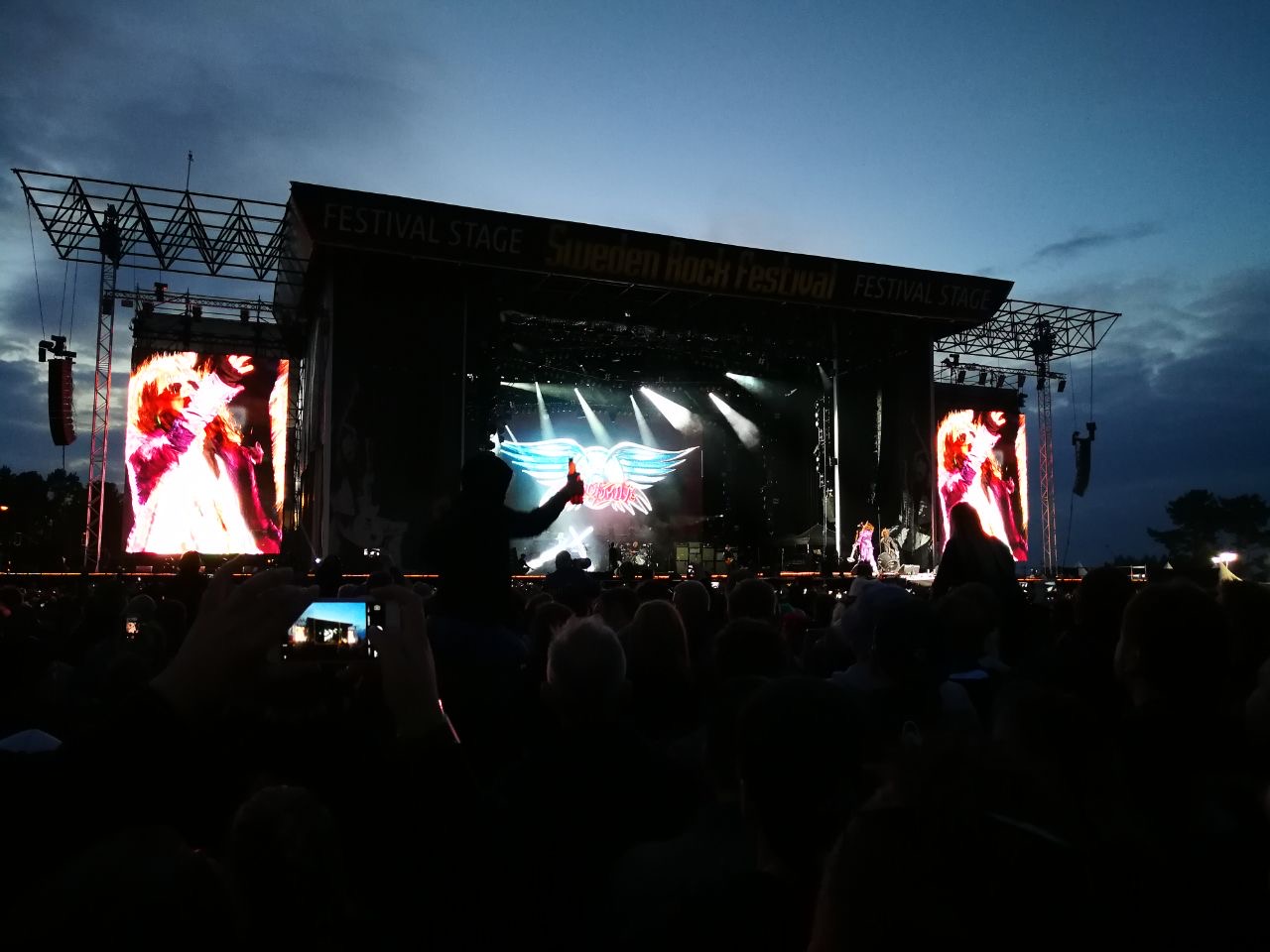
For this requirement our range covers it directly: the COB Z rental series (7680Hz flip-chip) and the COB ZH touring series (sealed, wind-rated).