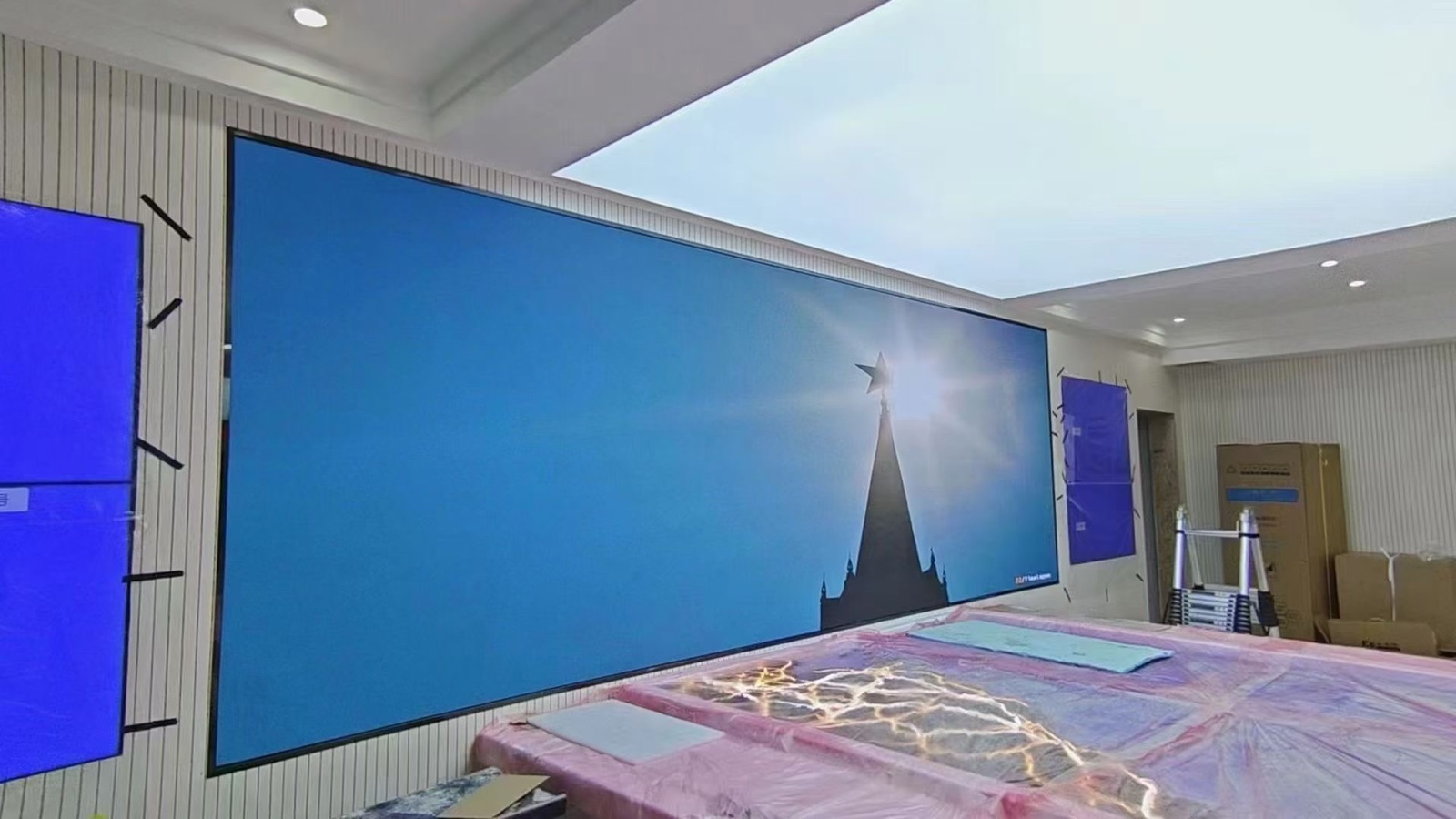
Indoor LED advertising turns dead wall space into a screen that changes all day. A static poster is printed once and ages in place, while an LED wall can run a morning promotion, a lunch special, and an evening brand film on the same surface. That flexibility is why retail chains, malls, and transit operators keep replacing backlit prints with LED.
The economics are simple. A screen that shows ten messages a day multiplies the value of the same square metre compared with a single printed image, and it can be updated in minutes when a promotion changes. For a venue that sells advertising, that means more inventory to sell; for a retailer, it means a storefront that stays current without a print run.
Attention is the other half of the case. Motion draws the eye in a way that print cannot, and the brightness of an indoor LED screen holds up in bright lobbies where a paper poster looks dull. Short, well-designed loops stop foot traffic far more effectively than a static brand mark.
The audience is captive. Elevators, waiting areas, checkouts, and corridors are places where people stand still for a minute or more with nothing else to do. Those dwell moments are worth more than a glance from a passing car, and indoor LED screens are built to use them.
This guide covers where to place indoor screens, which pitch and brightness suit each location, how to specify the hardware, and how to schedule content that keeps the audience watching.
Placement decides value more than any specification. A screen that lands inside the natural line of sight of foot traffic earns attention, while the same screen aimed at a blank corridor earns nothing. The first task is a traffic study, even a rough one, to find where people walk, pause, and wait.
Lobbies and reception areas reward a feature wall. Viewing distance is short and dwell is long, so fine pitch and a calm, high-quality brand film work best. Elevator and waiting-room screens are viewed from one to three metres, so the pitch can be fine but the content must be readable in a few seconds because the audience changes constantly.
Malls and retail concourses are the classic indoor advertising venues. Screens hang above head height or face escalators and entrances, viewed from ten to thirty metres. Here a mid pitch balances cost and clarity, and the content is built for glancing rather than studying.
Storefront and window screens have to fight window reflections. The screen sits behind glass, so brightness must be high enough to beat reflected daylight, and the angle should avoid looking straight out at a bright street. Anti-reflective treatments and a careful tilt help.
Ceiling and hanging installations need extra attention to structure and access. A suspended ring or banner screen must be reachable for service without closing the venue, which usually means a lift point and front-serviceable modules. Plan that access before the ceiling is closed.
| Location | Viewing Distance | Pitch | Brightness | Typical Use |
|---|---|---|---|---|
| Reception feature wall | 2 - 6 m | P1.2 - P2.5 | 800 - 1200 nits | Brand film |
| Elevator screen | 1 - 3 m | P1.5 - P2.5 | 1000 - 1500 nits | Short loops |
| Retail window | 3 - 10 m | P2.5 - P4 | 1500 - 2500 nits | Promotions |
| Mall concourse | 10 - 30 m | P4 - P8 | 1500 - 2500 nits | Advertising |
| Checkout queue | 2 - 4 m | P2.5 - P4 | 1000 - 1500 nits | Offers and upsell |
| Concourse banner | 15 - 40 m | P6 - P10 | 2000 - 2500 nits | Wayfinding and ads |
Pitch follows viewing distance. As a rule, the nearest viewer should sit at least one metre from the screen for every millimetre of pitch, so a P2.5 screen is comfortable from about two and a half metres and beyond. Choose the nearest realistic viewing distance, not the average, because the closest viewer sets the standard.
Brightness should match the room. A dim lobby needs only 800 to 1200 nits, while a glass-walled storefront facing daylight may need 2000 nits or more to stay visible. Over-bright indoor screens look harsh and waste energy, so match the level to the ambient light rather than buying the maximum.
Visibility from off-axis matters in wide spaces. A screen at a shallow angle loses brightness and colour, so check the viewing angle rating against the real layout. For a screen viewed from both sides, a double-sided or two-screen design is often better than one wide panel.
Contrast is what gives indoor content its punch. COB modules reach a 10000:1 contrast ratio and a very deep black, which makes colours pop and text crisp in a bright interior. For retail where image quality drives brand perception, that contrast advantage is worth paying for.
Service access and quiet operation round out the specification. Indoor venues do not tolerate loud fans, so prefer passive cooling where the brightness allows. And choose front-serviceable modules so a failed cabinet can be fixed during trading hours without dismantling a wall.
| Product | Pitch Range | Contrast | Brightness | Best Indoor Use |
|---|---|---|---|---|
| CV-PRO COB | P0.9 - P1.8 | 10000:1 | 800 - 1200 nits | Feature walls, premium retail |
| CV-PRO COB wide | P1.5 - P2.5 | 10000:1 | 1000 - 1500 nits | Lobbies and elevators |
| Standard SMD indoor | P2.5 - P4 | High | 1200 - 2000 nits | Mall advertising |
| High brightness indoor | P3 - P6 | High | 2000 - 2500 nits | Window and daylight zones |
| Fine pitch rental | P1.9 - P2.6 | High | 1000 - 1500 nits | Events inside venues |
| Banner and ring | P4 - P8 | Standard | 1500 - 2500 nits | Suspended advertising |
Indoor advertising content is built for short attention. A loop of fifteen to thirty seconds with clear, large text and a strong final frame works better than a long film, because most viewers see only a fragment. Each message should be readable in three seconds, with the brand visible at the end.
Scheduling multiplies the value of the screen. Day-parting lets a venue run breakfast promotions in the morning and dinner promotions at night, and it lets an advertising operator sell the same minute to different buyers at different hours. A scheduler that supports triggers and playlists is worth the small extra cost.
Revenue models vary. A retailer usually measures the screen by the sales it supports, while a mall operator sells slots to brands and needs proof-of-play reporting. Decide the model before specifying the software, because networked advertising needs remote content push and playback logs that a simple player cannot provide.
Sound is a decision, not an afterthought. Many indoor screens run silent with captions, because public spaces rarely allow audio at useful volume. If audio is planned, keep it low and never make the message depend on it, since most of the audience will not hear it.
Plan the refresh cycle. A screen that shows the same three clips for a year stops being noticed. Rotating new creative each month, and keeping evergreen brand loops between campaigns, keeps the advertising working instead of fading into the background.
Measurement closes the loop on an advertising screen. A simple counter, a footfall sensor, or a short survey can tell the operator whether a message is working, and that evidence is what justifies renewal to an advertiser. Even a rough before-and-after comparison of sales or enquiries during a campaign is more persuasive than an impression of success. Operators who measure tend to sell more slots, because they can show a result instead of a promise, and they learn which creative formats actually move the audience in their specific venue.
Asia Vision Technology builds indoor advertising screens across the pitch range, from the CV-PRO COB line with a 10000:1 contrast ratio for premium retail and lobbies to standard SMD panels for mall and concourse advertising. We size brightness to the venue rather than shipping a single default, so the screen looks right in the room it serves.
We hold CE, FCC, and RoHS certification and ship production orders in 15 to 20 working days with a 3-year standard warranty. For networked advertising we can supply the pixel map, scheduler configuration, and service access plan so the screen is easy to run and easy to maintain.
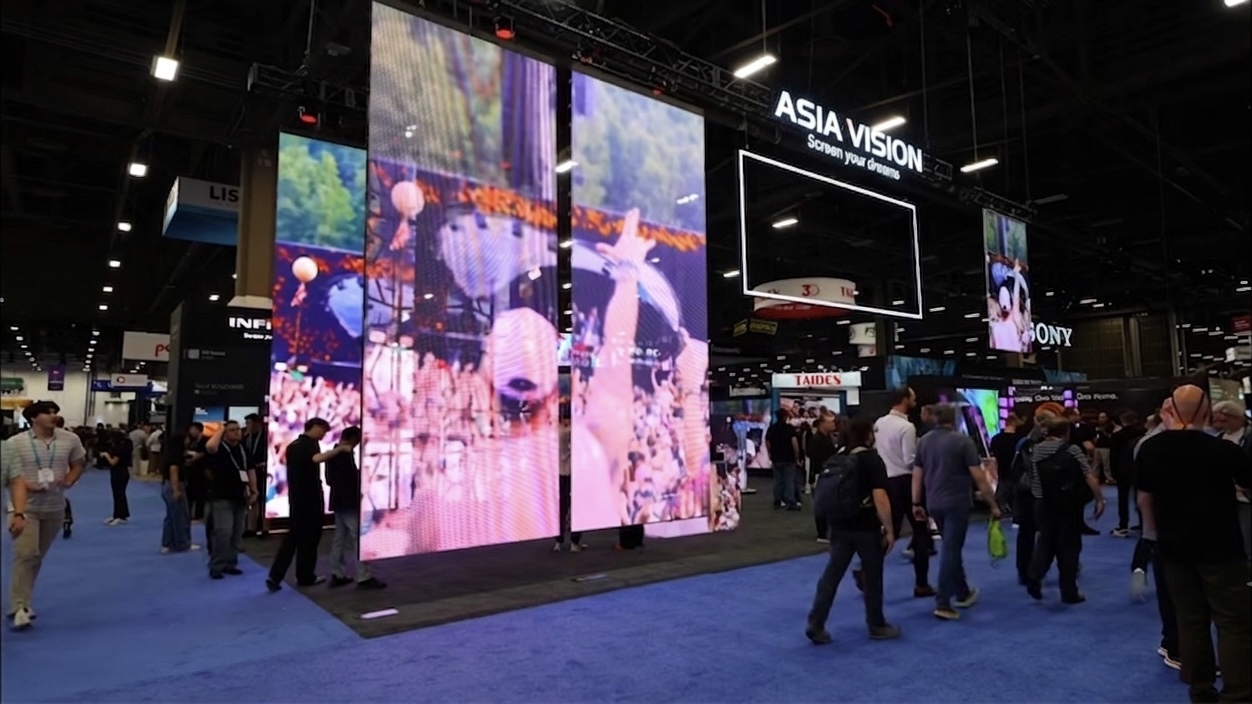
For this requirement our range covers it directly: the RH-PRO fine-pitch COB (flagship, full redundancy) and the COB CV-PRO series (Ultra-HD fine pitch).
Related reading: LED Display Battery Shipping Guide for Buyers in 2026
Related reading: LED Export Certification 2026: CE, RoHS, FCC, UL and UKCA