What should an Italian event buyer settle before ordering rental LED screens? Three things decide the outcome: the panel's refresh rate and weight class for touring, the CE documentation that travels with the shipment, and whether the supplier can get a replacement panel to you inside the season. This guide covers how to specify, certify and import rental LED screens for Italian events.
Italy's most visible LED demand comes from the fashion and design calendar. Milan Fashion Week, the Salone del Mobile furniture fair, and the broader Design Week programme turn the city into a dense cluster of showroom installations, runway backdrops, and brand experiences every spring and autumn. These projects need fine-pitch indoor panels that photograph well and rental cabinets that can be rebuilt quickly between events, often within the same venue in a single week.
The retail and hospitality sector provides the steady baseline. Italian luxury houses operate flagship stores in Milan, Rome, and Florence, while hotels, restaurants, and shopping centres across the country add feature walls and menu or wayfinding displays. Because many of these spaces sit in historic buildings, the screens are usually specified for discreet mounting, quiet operation, and a wide dimming range rather than for maximum brightness.
Sport is the third engine, and it is a large one. Serie A football clubs, basketball and volleyball arenas, and motorsport venues all use LED for perimeter boards, big screens, and hospitality areas. Italy also hosts major touring concerts and festivals, which keeps rental fleets busy and creates steady demand for cabinets with quick locks and dependable service access.
Tourism and transport complete the picture. Cruise terminals in Genoa, Venice, and Civitavecchia, ferry ports, airports, railway stations, and museum and heritage sites all deploy information and advertising screens. Italy's long tourism season means these systems run for many hours a day, so buyers here care about rated lifetime and serviceability alongside the headline specification.
Italy follows the European Union framework, so CE marking is the mandatory legal requirement and the technical file behind it is what supports the claim. Some Italian clients also ask about the voluntary IMQ mark, which appears in certain tenders even though the law does not require it. The table below summarises the items that matter for an Italian shipment.
| Item | Market | What It Covers | Buyer Action |
|---|---|---|---|
| CE marking | Italy and the EU | Low Voltage, EMC, Radio and RoHS directives | Keep the signed declaration with the shipment |
| IMQ mark | Italy | Voluntary Italian quality and safety mark | Add only when a tender or client requires it |
| RoHS report | Italy and the EU | Restricted substances in modules and cable plastics | Request a material-level test report |
| EN 55032 and EN 55035 | Italy and the EU | EMC emission and immunity standards | Check the report names your product family |
| Ecodesign and ErP | Italy and the EU | Energy use and standby consumption limits | Ask for power draw at a stated brightness |
| Nameplate and label | Italy | 230 V 50 Hz rating matching the declaration | Verify artwork before dispatch |
Italian LED demand has a distinctive shape. The country combines a very strong fashion and design event culture in the north with tourism, sport and public events across the rest of the country.
| Event type | Typical LED use | Specification pressure |
|---|---|---|
| Fashion and design weeks (Milan) | Runway backdrops, showroom walls, installation screens | Colour accuracy and fine pitch; presentation quality under studio lighting |
| Concerts and touring shows | Rental stage walls, side screens, IMAG | Rigging speed, touring packaging, camera-safe refresh |
| Tourism and hospitality | Hotel and venue screens, signage | Quiet operation, refined finish, easy content updates |
| Sporting venues | Perimeter and large-format screens | Broadcast refresh; structural compliance for the mount |
| Retail and flagship stores | Window and in-store displays | Fine pitch, high colour consistency |
Two structural features shape how Italian buyers purchase. Northern Italy buys differently from the south: Milan and the industrial north operate through established integrators and rental houses with demanding technical expectations, while southern projects are more often single installations with budget-led specification. And because tourism and events carry much of the demand, seasonality is pronounced — orders cluster ahead of the spring and autumn event seasons, and delivery windows are short.
CE marking is the legal baseline, and as with any EU market the importer takes on the compliance role. Three Italy-specific points are worth planning for:
Italy is reached through Mediterranean ports, which keeps transit to most of the country short once the goods clear customs. The main gateways serve the north, the centre, and the south differently, so the right choice depends on the destination city and the size of the consignment. Full-container orders benefit most from a direct sailing, while smaller consignments can share a corridor through a northern European hub and travel south by road or rail. Rail links out of Genoa, La Spezia, and Trieste are strong, so an inland installation in Lombardy or Emilia-Romagna can often be reached within a day of discharge.
| Route | How It Works | Typical Transit | Best For |
|---|---|---|---|
| Sea via Genoa | Direct Mediterranean service from Shenzhen | 28 to 36 days port to port | Milan, Turin and northwest Italy |
| Sea via La Spezia or Livorno | Tuscan gateway with road links to the centre and north | 30 to 38 days port to port | Florence, Bologna and central Italy |
| Sea via Trieste | Northern Adriatic port with fast road and rail links | 30 to 38 days port to port | Venice, Verona and northeast Italy |
| Sea via Naples or Gioia Tauro | Southern gateway for central and southern regions | 30 to 40 days port to port | Rome and southern Italy |
| Air freight | Shenzhen to Milan Malpensa or Rome Fiumicino | 5 to 8 days | Spare modules and urgent kits |
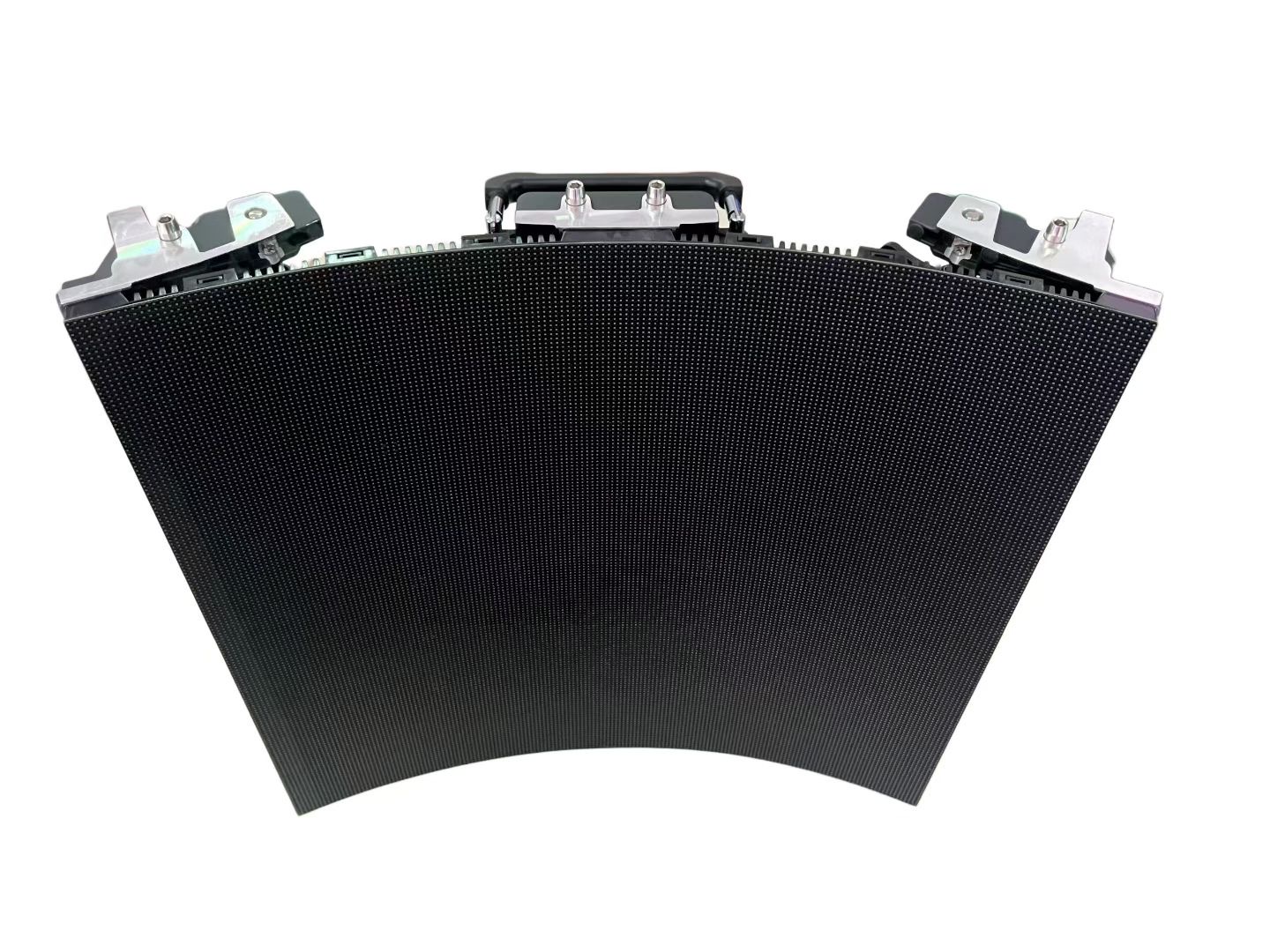
For fashion, design, and touring work the X series rental platform is the workhorse. Its 500 by 500 millimetre cabinets weigh 6.5 kilograms, support front and rear service, and are built to be assembled and struck repeatedly without losing alignment. At P2.6 and P3.9 they suit runway backdrops and stage screens viewed from a few metres away, and the quick-lock frame keeps changeover time short between Milan shows.
For permanent indoor projects the CV-PRO COB line fits Italian retail and hospitality spaces. The chip-on-board surface reaches roughly 10000:1 contrast and hides the lamp gap visible at close range, so a boutique feature wall looks continuous rather than dotted. Refresh rates of 3840 Hz and above keep the image clean under cameras, which matters at press events and in showrooms where guests photograph the space.
Outdoor and semi-outdoor work is served by the D-PRO range, rated IP65 with brightness above 8000 nits for stadium perimeters, festival screens, and transport signage. Italian venues often need deep dimming for evening operation without losing detail, so the wide dimming range of these panels is as important to the specification as their daylight output.
Transport and public venues are a fourth category worth planning for. Cruise terminals, ferry ports, airports, and railway stations need outdoor or semi-outdoor panels that run long hours and stay legible under strong Mediterranean light, while ticket halls and concourses often suit a mid-pitch indoor panel seen from several metres. Because these installations are publicly accessible, buyers should weight weather sealing, service access, and remote management heavily, since a failed panel in a busy terminal is both an operational and a reputational problem.
Finally, the pitch range from P0.9 to P20 lets each Italian surface be matched to its own viewing distance. A stadium screen seen from fifty metres and a showroom wall seen from two metres are different products on the same project, and specifying them separately is usually where an Italian buyer finds the most value.
Asia Vision Technology builds indoor COB, rental, and outdoor LED displays at our Shenzhen facility and holds CE, FCC, and RoHS certification for export markets. The pixel pitch range runs from P0.9 to P20, our CV-PRO indoor COB line reaches 10000:1 contrast with refresh rates of 3840 Hz and above, our X series rental cabinets measure 500 by 500 millimetres at 6.5 kilograms, and our D-PRO outdoor range is rated IP65 with brightness above 8000 nits.
For Italian buyers we confirm the destination market and the project constraints before the order is fixed, share the cabinet dimensions an architect or rigging plan has to accommodate, and issue compliance documents against the product family that actually ships. Orders are produced in 15 to 20 working days with a 3-year standard warranty, and we support integrators, rental houses, and venue operators through commissioning and beyond.
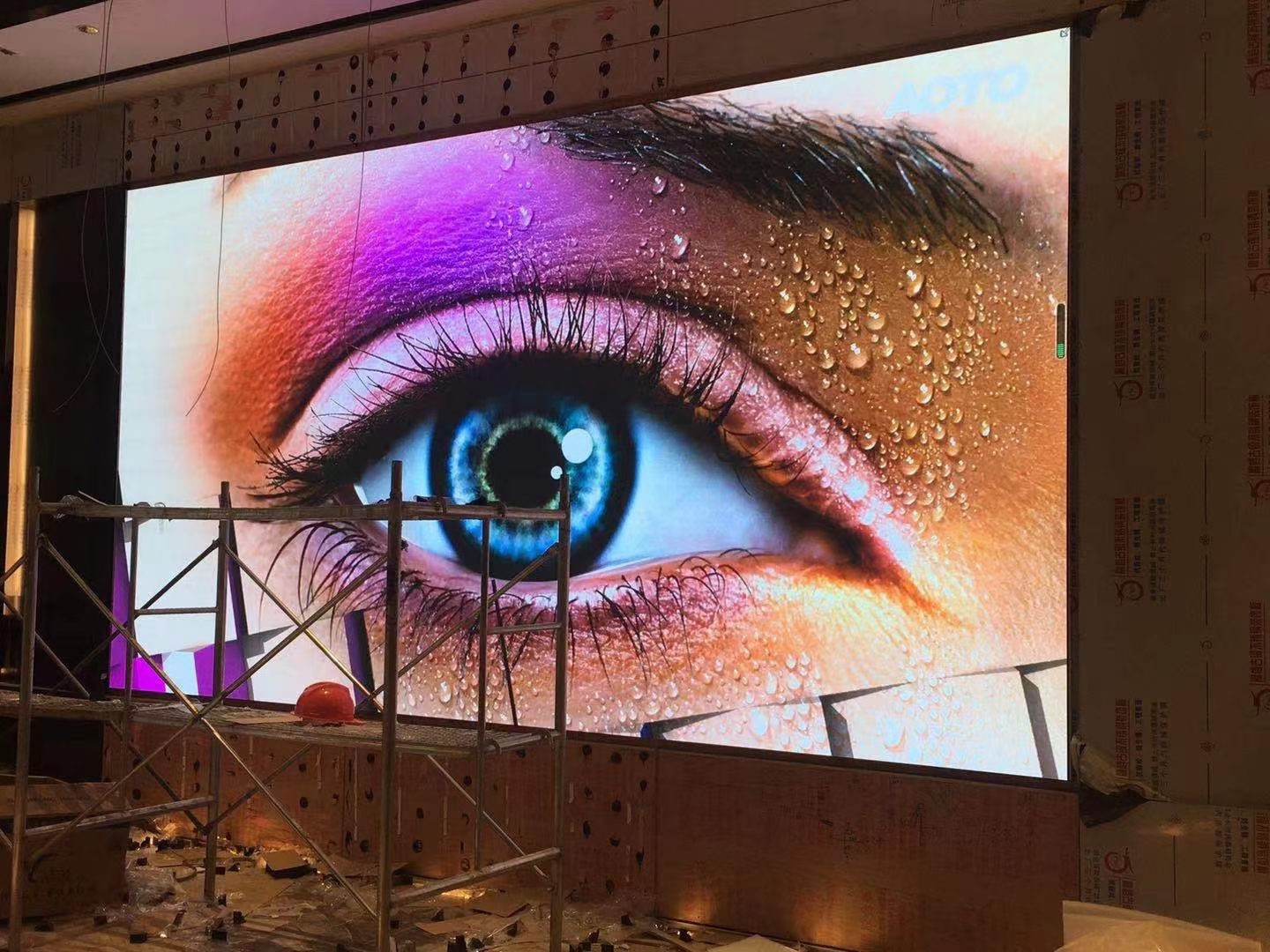
For this requirement our range covers it directly: the RH-PRO fine-pitch COB (flagship, full redundancy) and the COB CV-PRO series (Ultra-HD fine pitch).
Related reading: Event and rental LED screens in Germany